Revenue is Going Stackless
Sales teams, this is for you. "Revenue" is probably one of your favorite words. The only thing better? Two words: "Stackless revenue."


You’re a founder eager to generate revenue for your startup, or a sales leader who needs to establish a revenue engine, fast.
You have a target market in mind, your pitch is drawn up, and you’ve got the drive to make it happen.
Then you run into an unavoidable reality: You’ll need a sales stack first.
That means assembling things like:
- CRM: A central database for your accounts, contacts, and opportunities.
- Prospecting: Data on your target accounts and a way to enrich that data with company, contact details, and more.
- Outreach: A way to reach your prospects over multiple channels like email, phone, and LinkedIn.
- Scheduling: A way to automate scheduling sales calls at scale.
- Meeting Intelligence: The ability to record meetings, transcribe, summarize, and gain insights.
- Even more stuff like this.
While having all of that sounds great, what might also cross your mind is that you’re a seller, not some application architect, so assembling a stack like this probably isn’t your deep area of expertise.
It’s also possible that this isn't an undertaking you personally find interesting. You just want to start selling and spend time with customers. You might even find this sort of task to be a bit of a burden, even boring.
Sales & Marathons: Which is Easier to Get Started?
Saying that sales is a marathon isn't a stretch. It requires strategy, endurance, flawless execution, and good equipment.
If you want to run an actual marathon, the barrier to entry is pretty low: Buy a pair of good running shoes and start your marathon journey.
But what if the rules of the sales stack applied?

Instead of buying running shoes, you’d need to source the right tread, select an outsole, pick a heel elevation, choose your laces, and then stitch and glue them all together somehow.

Or let’s say you only wanted a pre-assembled shoe, you’d quickly discover you had to choose from a collection of relics that were built in a previous era, outdated and painful to use.
This all sounds crazy because it is. You should be able to just lace up and start running.
Thankfully, this problem is indeed fictitious if you want to start running, but sadly, it's not fictitious if you want to start selling.
Today's Sales Stack: An Illusion of Choice
Getting back to this sales stack problem, what are your options? Well, there are typically two ways you can proceed.
The DIY Odyssey
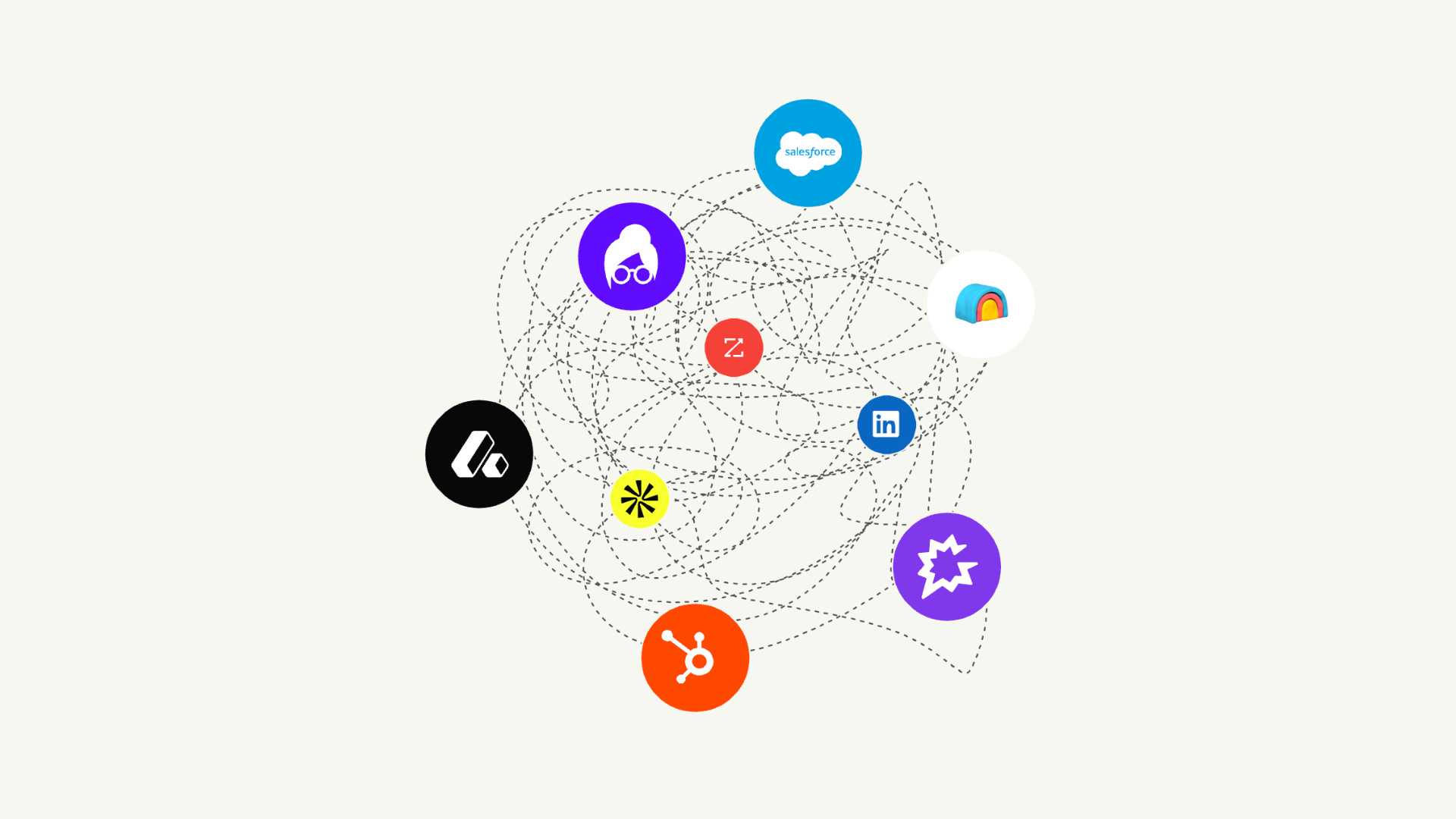
You can embark on the journey of researching, finding, and buying a best-in-class point solution for every component of your sales stack, then take on the fun task of wiring them all together.
This will likely include spending time, even late at night or during weekends, managing the hidden maintenance overhead of broken API’s, hoping your data syncs correctly, and 'asking' your reps to constantly swivel-chair between four different tabs just to log a single meeting. Good times.
The Legacy Trap
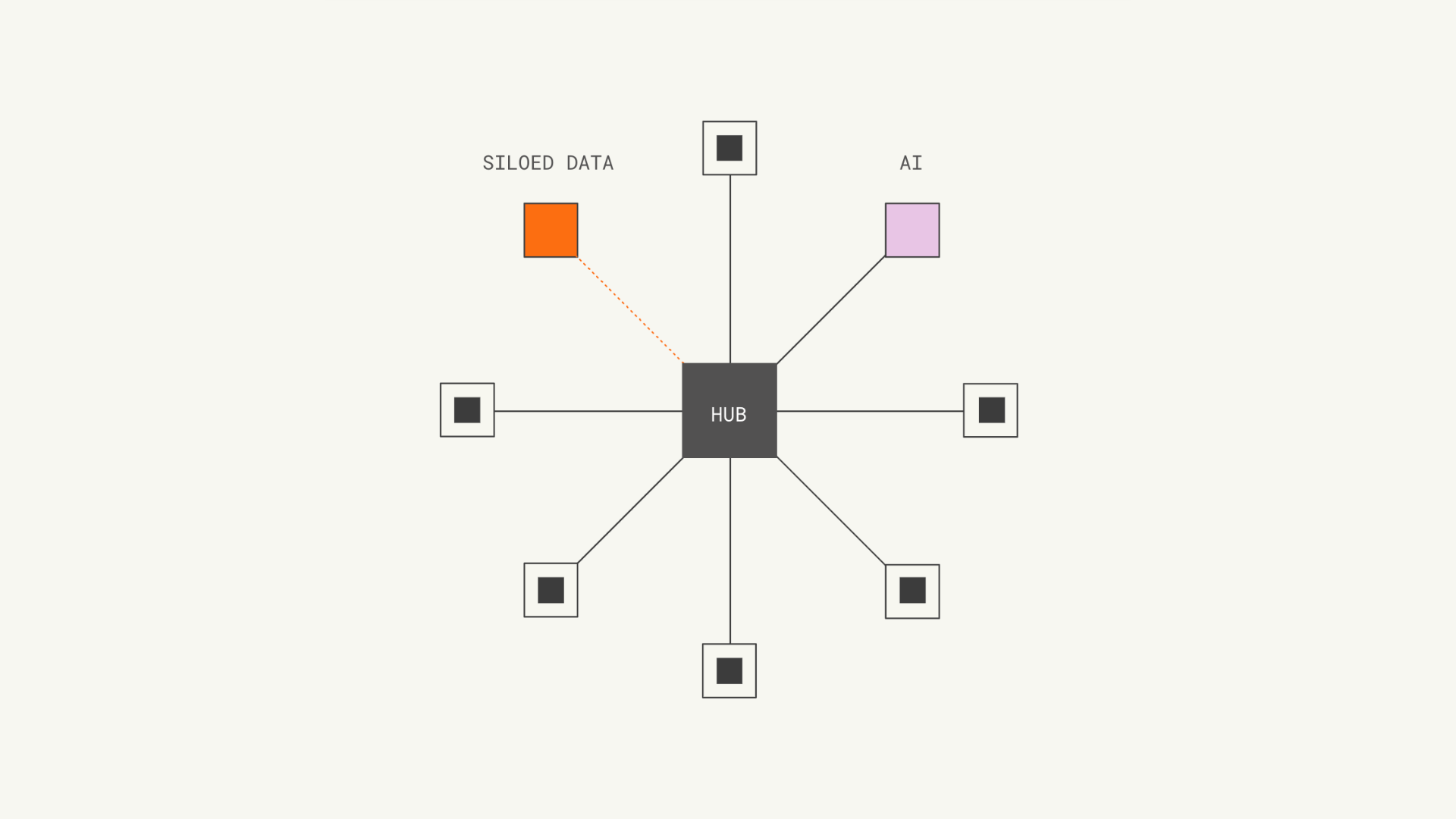
You can also invest in one of the 'all-in-one' solutions that are widely known. While that sounds tempting, you’ll soon realize that these systems were designed decades ago, long before the emergence of AI.
They’re either poorly slapped-together hub-and-spoke 'Franken-stacks' or incredibly expensive to implement and onboard; let's not even get started with the lack of support levels you’ll likely run into.
These are all suboptimal choices. Until now, there wasn’t an alternative for sales leaders who just wanted to sell and avoid selecting from this collection of less-than-ideal choices.
Go Stackless: The New Platform for Sales Teams
That’s why we built the Revenue Operating System, to free sales leaders from the burden of assembling a sales stack and being limited by legacy systems.
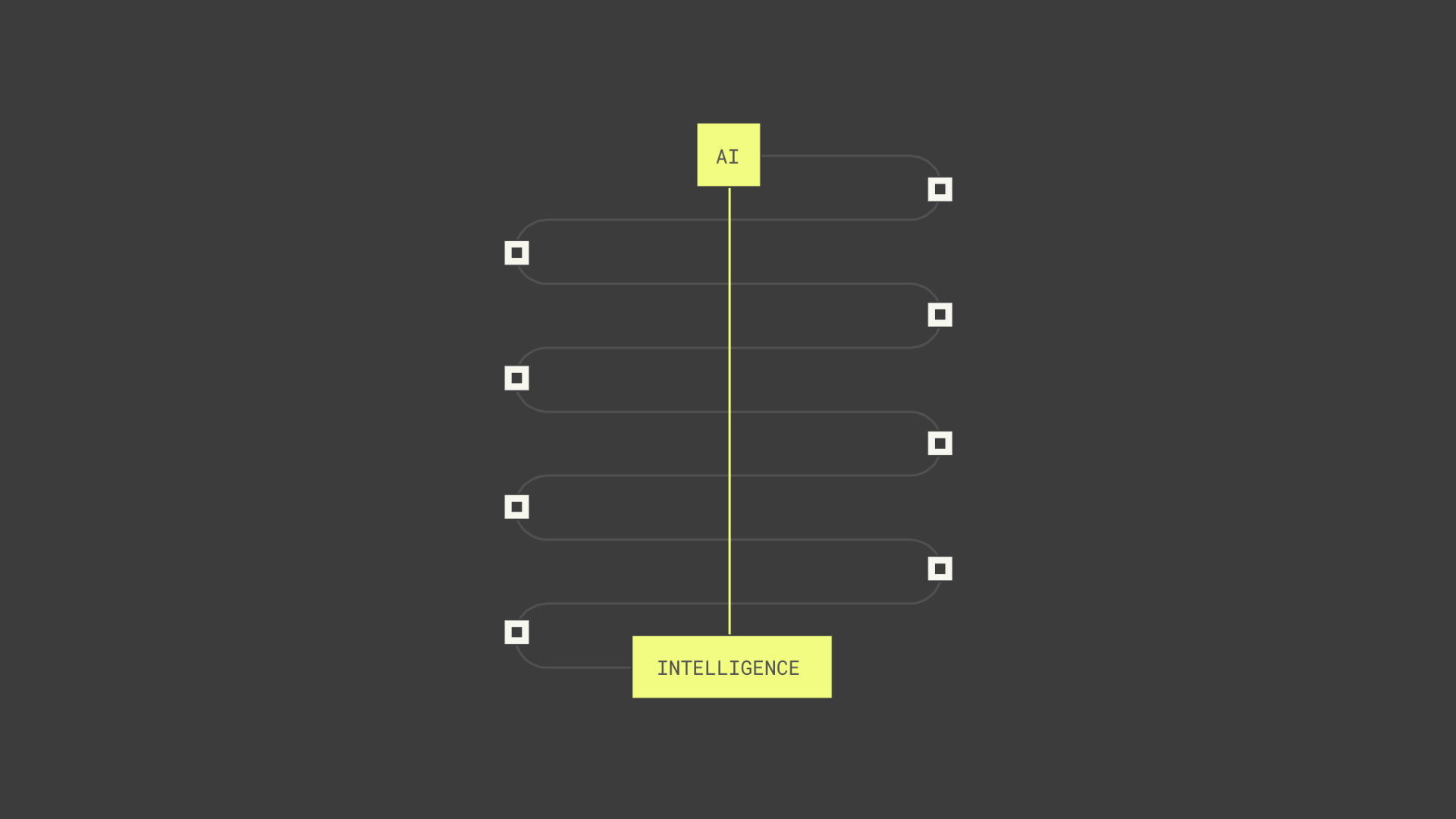
We started on this mission almost two years ago and have built a platform with the functionality that founders and sales leaders told us they needed from day one. In fact, you could say that this equates to almost 10 separate sales applications, available in a single platform, architected for AI from the ground up.
We added all the capabilities that revenue teams need across:
- Finding and enriching prospects
- Engaging across multiple channels
- Closing deals and managing the entire process
The Reevo architecture captures all first-party data in full fidelity with context. We don’t rely on integrations or third-party data feeds, and we haven't acquired best-of-breed solutions and tried to ingest them into a legacy system.
Sales AI: The Magic of Going Stackless
The Revenue Operating System provides immediate benefit to sales teams.
Instead of spending your time assembling a sales stack, you’ll have a revenue platform including everything you need to get started with selling on day one. No more API’s to set up, data syncs to deal with, or multiple tabs to navigate.
The most magical benefit of going stackless, however, is that it unlocks AI's power for sales teams.
Unlike the 'Franken-stacks' that suffer from incomplete signals in and can only provide incomplete intelligence out, the Revenue Operating System has access to all first-party data in full fidelity, along with context, and it's this context that makes AI with Reevo magical.

The magic includes things like:
- An active system of intelligence, not a passive database, so you’ll know where future churn is likely to happen.
- Continuous learning from every interaction, so you’ll know what combination of tactics is driving closed won.
- Agentic workflows that go far beyond basic suggestions, so agents can achieve outcomes within your guardrails.
The potential of what we can build with the Reevo architecture is truly inspiring, and we’re heads down working on features like these and many more every day.
The Era of Stackless Revenue
As a founder or sales leader, “revenue” is probably one of your favorite words.
The only thing better? Two words: “Stackless revenue.”
It’s revenue you’re able to drive on day one, without building a sales stack or buying into a legacy sales stack. It’s revenue you can drive using a single, organized, and thoughtful platform.
It’s revenue you’ll drive with the magic of sales AI, with access to full fidelity data and context, unlocking AI that is always learning, proactive, and drives outcomes for you.
So maybe it’s actually not the same as running a marathon at all. By going stackless, you can run that marathon on your first day.
Take the first step to go stackless
Get started


